

Metro Major Projects Update
Key Takeaways
- Urban Growth Boundary Expansion – Metro has added 1,200 acres in Sherwood West to address industrial and housing needs.
- Transportation Funding & Projects – Federal funding uncertainties remain, but key projects include the Sunrise Corridor Gateway and improvements along Highway 99 and McLoughlin Blvd.
- Expo Center Revitalization – Plans to transform the Expo Center into a regional sports and event facility.
- Housing & Homelessness – The region is exceeding affordable housing bond goals, but long-term funding remains uncertain.
- Willamette Falls Locks – Restoration efforts continue, with Metro seeking $11.4M in additional funding.
- Regional Waste Management – Plans to expand local waste facilities and reduce congestion at the Metro South Transfer Station.
Event Overview
The Oregon City Business Alliance welcomed Metro Councilor Christine Lewis for an insightful discussion on major projects shaping the region. Lewis, who represents District 2 on the Metro Council, provided updates on housing, transportation, parks, and economic development.
With her extensive background in public service and regional leadership, Lewis emphasized Metro’s commitment to long-term planning while addressing pressing challenges like housing affordability, transportation funding, and environmental conservation.
Key Topics & Speaker Highlights
1. Urban Growth Boundary Expansion
Metro’s recent expansion of 1,200 acres in Sherwood West was driven by the need for large-scale industrial sites and housing development. This expansion:
- Includes 3,000+ new housing units.
- Provides 50+ acre industrial sites to attract high-tech manufacturing.
- Introduces stronger requirements for affordable housing and community engagement.
2. Transportation & Infrastructure Projects
Lewis outlined regional funding opportunities and major transportation projects, including:
- Sunrise Corridor Gateway Project – A $15M investment to improve Highway 212 between 122nd and 172nd.
- McLoughlin Blvd Revitalization – Oregon City’s $3.9M proposal to enhance safety and accessibility.
- Trolley Trail Bridge & Lakeview Blvd Upgrades – Addressing long-standing infrastructure needs.
She urged community members to engage in public input opportunities to ensure Clackamas County receives its fair share of funding.
3. Expo Center Redevelopment
Metro is reimagining the Expo Center as a regional sports hub, potentially including:
- Twin ice rinks for hockey and skating.
- Expanded indoor courts for volleyball & basketball.
- A new indoor track to support local and national competitions.
Lewis emphasized that the project would preserve historical elements of the site while ensuring economic sustainability.
4. Housing & Homelessness Initiatives
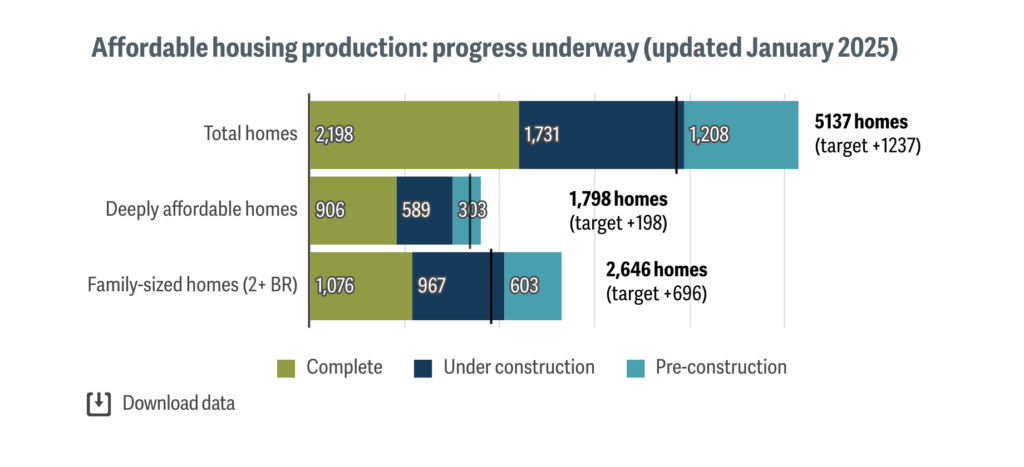
The Metro Affordable Housing Bond, passed in 2018, has exceeded its goals, with nearly 5,000 units completed or in progress—surpassing the original 3,900-unit target.
- Los Flores in Oregon City is one of the latest projects providing deeply affordable homes.
- The Supportive Housing Services tax, which funds homeless services, faces a critical funding review as Metro evaluates long-term sustainability.
- Discussions are ongoing about extending funding beyond 2030 or adjusting tax structures.
5. Willamette Falls Locks Restoration
- Metro is actively seeking $11.4M in additional state funding to complete repairs and reopen the locks.
- Restoration efforts aim to support tourism, local businesses, and historical preservation.
- If funding is secured, the locks could reopen by 2029 or 2030.
6. Regional Waste & Transfer Stations
Metro is restructuring waste management to reduce traffic congestion at the Metro South Transfer Station:
- Plans include six new depot-style drop-off sites across the region.
- Future facilities will separate commercial and residential waste processing for greater efficiency.
- A new transfer station site in Clackamas County is under consideration.
Expanded Q&A: Key Audience Questions
Q: What new efforts does Metro have underway to reduce the impact of transfer stations on Oregon City?
Metro is finalizing a systems facilities plan that will create six depot-style stations across the region, ensuring no resident has to drive more than 15–20 minutes for waste disposal. The goal is to reduce the number of trips to Metro South by expanding access to community-scale drop-off locations.
Additionally, Metro South is too small to efficiently serve both commercial waste haulers and residential drop-offs. Metro will separate these functions by developing a new site, though the location is still being determined.
Q: Given changes in federal administration priorities, will Metro adjust its Regional Transportation Plan (RTP)?
Lewis acknowledged that recent federal funding shifts have already impacted local projects, with some previously awarded grants now being revoked. While long-term projects remain a priority, Metro will need to focus on projects that align with new federal funding criteria.
The Sunrise Corridor remains a top priority, as its potential for industrial development makes it more likely to attract funding. Other projects may need to be re-evaluated based on new grant opportunities.
Q: How can Metro help meet the Governor’s goal of 36,000 new housing units per year?
Lewis emphasized that increasing housing supply is essential to addressing affordability and homelessness. Metro is focusing its funding on deeply affordable housing, particularly for low-income and homeless populations.
However, she warned that Metro’s Affordable Housing Bond funds will be fully spent by 2027, creating a funding gap. Future solutions may include new bond measures or adjustments to existing tax structures to sustain progress.
Q: Could expanding the Urban Growth Boundary (UGB) more rapidly lower land and housing costs?
Lewis noted that while land prices impact housing costs, simply expanding the UGB wouldn’t necessarily result in lower home prices. Factors like infrastructure costs, zoning laws, and construction expenses play a more significant role.
To ensure responsible growth, Metro offers 2040 Planning Grants, which help cities plan ahead for UGB expansions, allowing them to build the necessary infrastructure and services before new housing developments break ground.
Q: What is the average price of Metro’s affordable homes, and how are rents set?
Most Metro-funded housing developments are rental apartments, not for sale. However, six projects do include a homeownership component, offered through Community Land Trusts like Habitat for Humanity.
For rentals, rent is based on income, ensuring tenants pay no more than one-third of their income in rent. This sliding-scale model helps keep housing affordable for low- and moderate-income families.
Q: Would Metro support eliminating tolling and replacing it with a road fee on utility bills?
Lewis reiterated her opposition to tolling the Abernethy Bridge but supports tolling on the I-5 bridge, since Washington State already has an existing tolling program.
Metro is exploring alternative revenue models, including:
- A mileage-based vehicle tax (VMT fee)
- Increased vehicle registration fees
- A road usage fee tied to electric vehicle charging
Q: Will Clackamas County residents have equal access to the Expo Center if it is redeveloped into a sports facility?
While Clark County (WA) may have easier physical access, Metro is working to ensure regional equity through:
- Hotel agreements to direct tourism dollars back to Clackamas County
- Priority scheduling for Clackamas-based teams in the hockey rink and indoor sports courts
- Potential transit improvements to make the Expo Center more accessible
Q: What is the status of the Willamette Falls Locks restoration effort?
The Army Corps of Engineers has completed its seismic stability work on the locks, but additional funding is needed to complete repairs and reopen the site.
Metro is pursuing $11.4 million from the state legislature to finish the restoration process. If successful, the locks could reopen by 2029–2030, supporting tourism, recreation, and local businesses.
Q: Is Metro still moving forward with the Kellogg Creek Dam removal?
Metro committed $10 million to the project, but federal funding was canceled due to national policy changes.
Local officials are currently exploring alternative funding sources and may proceed with a phased approach using the money that has already been allocated.
Q: Why does Clackamas County receive less Metro funding than Multnomah and Washington counties?
Clackamas County represents about 23% of Metro’s population, but funding allocations have not always reflected that proportion.
To address this, Metro is focusing on larger, fully-funded projects rather than spreading resources across many smaller initiatives. The Sunrise Corridor project is an example of this shift toward more impactful investments.
Conclusion
Christine Lewis provided a comprehensive update on Metro’s initiatives, covering everything from transportation improvements to housing solutions and environmental conservation. With significant funding challenges and policy shifts ahead, her insights emphasized the importance of local engagement in shaping Oregon City’s future.
Thank you for reading! Share this post and help keep Oregon City businesses informed. Also consider coming to our next Oregon City Business Alliance Forum. If you agree with the mission of the OCBA consider becoming a member.